
Hospitals hit by ‘tidal wave’ of flu and winter illness. NHS England data shows an average of about 1900 hospital beds were occupied by flu patients last week, up 70% on the previous week. This is over three times higher than this time last year. Hospitals are struggling to stop the spread of the virus within hospitals as well as admitting new patients. Covid, RSV and Norovirus are also causing problems. 95% of hospital beds were full at the beginning of December, rates not normally seen until the depths of winter. Two thirds of ambulances had delays handing patients over to A&E. Colchester Hospital is already on the verge of having to stop non-urgent operations.
NHS England medical director Prof Sir Stephen Powis said: “The tidal wave of flu cases and other seasonal viruses hitting hospitals is really concerning for patients and for the NHS – the figures are adding to our ‘quad-demic’ worries. While the NHS has plans in place to manage additional demand over the busy winter period, with one week left to book your vaccine, I cannot stress enough the importance of getting booked in to protect yourself against serious illness and to avoid ‘festive flu.'”
PLEASE get vaccinated against flu and Covid this last week they’re available. If you’re eligible get an appointment with your GP or pharmacist. Children, young people and over 65s are worst affected. The national booking systems for flu and Covid vaccinations close on 19 December.
Forecasts for the coming weeks and winter are that COVID-19, Influenza and Respiratory Syncytial Virus (RSV) will increase significantly in most age groups.
Norovirus cases are more than double the 5-season average. If you get it: stay home for 48hours after symptoms clear; wash hands with soap and warm water; don’t prepare food for others. Symptoms include nausea, vomiting and diarrhoea but can also include a high temperature, abdominal pain and aching limbs. Norovirus infections can cause dehydration, especially in vulnerable groups such as young children and older or immunocompromised people, so if you do get ill it is important to drink plenty of fluids and to isolate.
Recently we reported the dangerous shortage of stocks of donated blood. We visited the most recent blood donation session on a Sunday in William de Ferrers School. We saw a stream of people queuing to donate their blood. The staff told us they get a tremendous regular response for donors from SWF and surrounds. We are extremely grateful that once again our Townsfolk show great community spirit in this crucial way. Please do keep going. If you would consider starting to donate your precious blood you can see all about it at https://www.blood.co.uk/ .
Adele Darlington from Warrington is helping promote blood donating as NHS Blood & Transplant remains on “Amber Alert” as blood stocks remain low. Christmas and New Year is always challenging as donations drop. People with O negative, B negative and Ro blood types are particularly needed. Adele’s life was saved a year ago by 28 units of red blood cells, 20 units of fresh frozen plasma, 9 units of cryoprecipitate and 8 units of platelets which saved her life after her baby Jasmine was born. Adele thought she was dying but 9 hours of intensive surgery and the transfusions saved her so she can parent Jasmine and her four siblings.
The end of November saw two separate cyber attacks on Merseyside hospitals. Such attacks are hugely disruptive. The NHS has to be vigilant against cyber threats and this is regularly considered by NHS Digital, NHS England and all NHS organisations. Keeping hackers and malicious software out of NHS systems is one of several financial costs the modern NHS now needs to factor into its budgets
Details will be announced shortly for a virtual Town meeting using Folder: Community Engagement | Change NHS to Help Build a Health Service Fit for the Future. Do let us know what you think about this.
The Get Britain Working White Paper was published on 26 November, proposing health and skills support to reform employment, tackle economic inactivity and support people into good work. Three NHS Health and Growth Accelerator sites will test a new way of delivering more personalised, pro-active prevention programmes that will reduce health-related labour market inactivity, whilst testing the feasibility of broader future implementation.
The debates about the future of the Assisted Dying Bill will continue through its Parliamentary stages where issues raised in the Second Reading debate need close investigation. Senior doctors and others say fixing the struggling palliative care and hospice system is an immediate priority and our local end of life services definitely need improvements.
A fifth person in England has been confirmed with a strain of mpox, which is spreading in central and east Africa. The first four in London have all recovered.
Whooping Cough activity remains high. It’s vital pregnant women and young children get vaccinated.
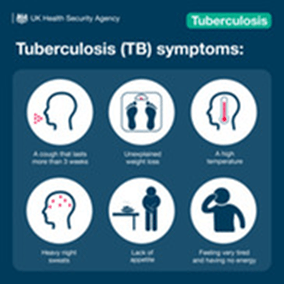
Last week the UK Health Security Agency (UKHSA) published new data which shows reported notifications of TB in England increasing by 11% in 2023 compared to the previous year.
The increase in notifications in 2023 was seen in both UK born and non-UK born populations. 80% of all TB notifications in 2023 were in people born outside the UK.
TB continues to be associated with deprivation and the infection is more common in large urban areas. For those born in the UK, TB is more common among those who experience homelessness, drug and alcohol dependence and have had contact with the criminal justice system.
Public health news is on our website and in weekly e-newsletters. SWF Library provides online services and help with internet access. For health & welfare information and subscription to our newsletter, email swfhealthsocial@outlook.com , or leave voicemails on 01245 322079 https://swfhealthsocial.co.uk/
 SWF Health & Social Care Group
You must be logged in to post a comment.