
Content originally from NHS Mid and South Essex
Asthma symptoms can become more challenging during seasonal changes, with local hospitals seeing a spike in emergency admissions, making it even more important to know how you can help your child to manage their asthma.
Watch out for asthma triggers
Cold air, as well as seasonal infections like colds and flu, can make asthma symptoms worse. Other triggers include; allergies (e.g. to pollen or animal fur), smoke, fumes, and pollution, sudden changes in weather and exercise. Identifying and avoiding your asthma triggers can help you keep your symptoms under control.
Treatment and management
Asthma treatment typically involves inhalers and medication, sometimes supplemented by complementary therapies like breathing exercises. Your child’s GP team or asthma nurse will provide a treatment plan tailored to your child’s needs.
Day-to-Day management
- Proper inhaler use: Ensure your child knows how to use their inhaler correctly.
- Healthy diet: A balanced diet can help control symptoms.
- Exercise: Encourage regular physical activity but start gently and build up gradually, and be mindful of triggers
- Vaccinations: Make sure your child has all their vaccinations, including the free annual flu jab. Children aged 4 to 16 will receive this from the schools vaccination programme. Children aged 6-months to 3 years old can have this at the GP surgery.
- At school: Ensure that your child’s school has all the necessary information about their condition, including an asthma care plan.
What to do during an asthma attack
Signs your child might be having an asthma attack include difficulty breathing, quick breathing, inability to talk/walk/eat, and increased use of and/or unresponsive to their blue reliever.
- Sit your child upright and try to remain calm.
- Administer one puff of their blue reliever inhaler (via spacer if you have one) every 30-60 seconds, up to 10 puffs.
- Call 999 if symptoms worsen or don’t improve.
- If the ambulance hasn’t arrived within 15 minutes, repeat step 2.
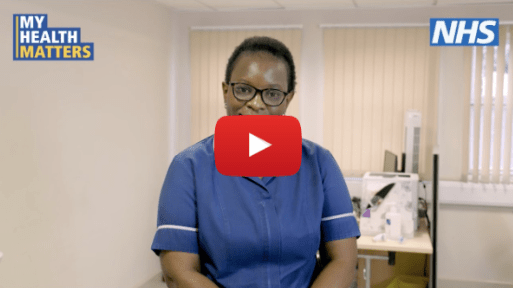
| If you are concerned your child may have undiagnosed asthma, it is important that you speak to your local GP team. Your child may have asthma if they exhibit: Wheezing (a whistling sound when breathing) Breathlessness or shortness of breath A tight chest Frequent coughing If you want more detailed advice on managing your child’s asthma, watch the below video with local asthma nurse Lionah Musengezi. |
 SWF Health & Social Care Group
You must be logged in to post a comment.